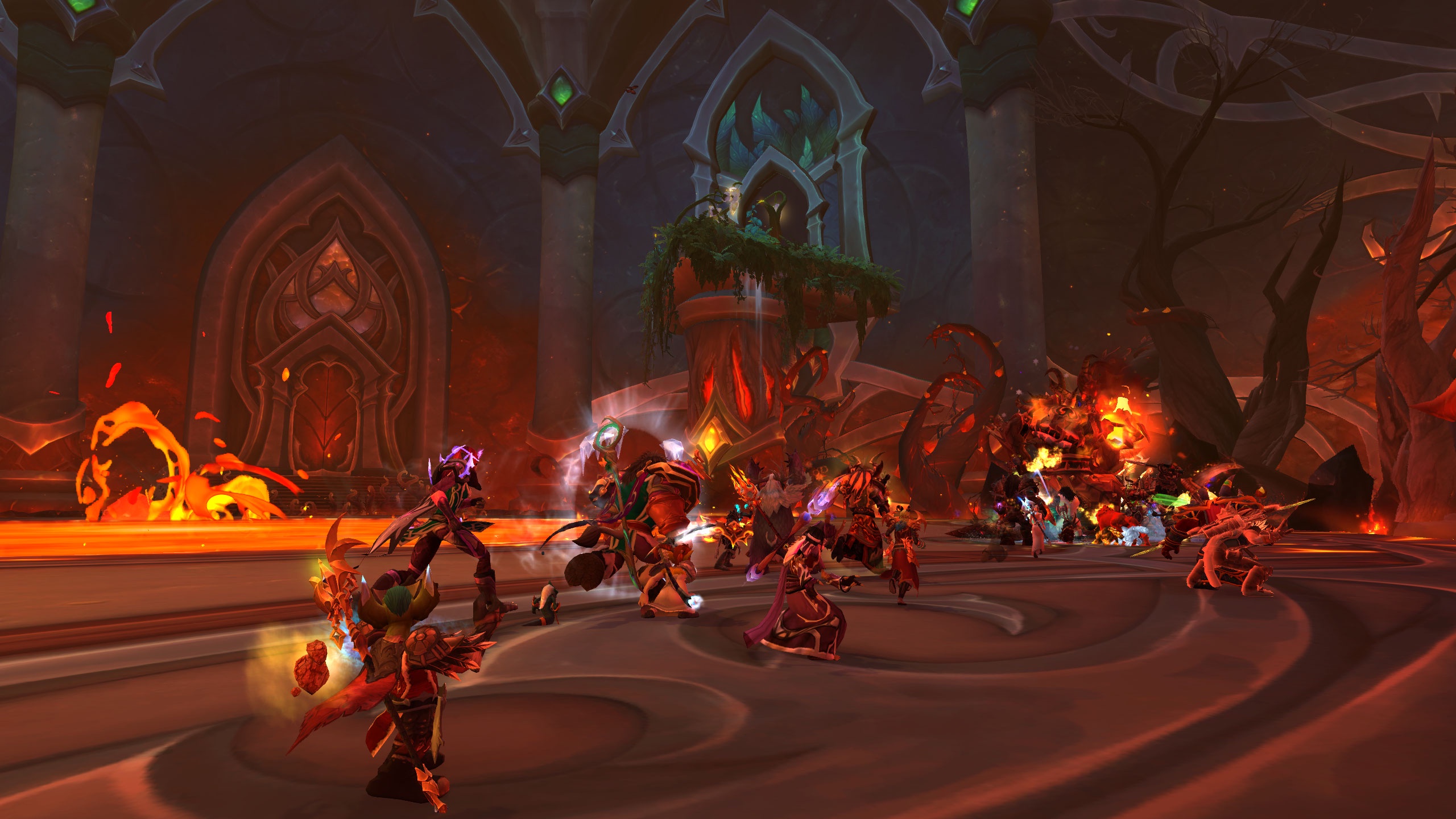
Imagine you’re descending into a cavernous dungeon, the eerie glow of magical wards barely illuminating the ancient stone walls. You’re not alone; you’re part of a PUG (Pick Up Group) in World of Warcraft, and how you communicate and behave can make the difference between a triumphant victory or a devastating defeat. So, what are the unwritten rules of raid etiquette that can help guarantee a smooth gaming experience? Stick around, we’re about to commence on a journey into the depths of proper MMO conduct.
Key Takeaways
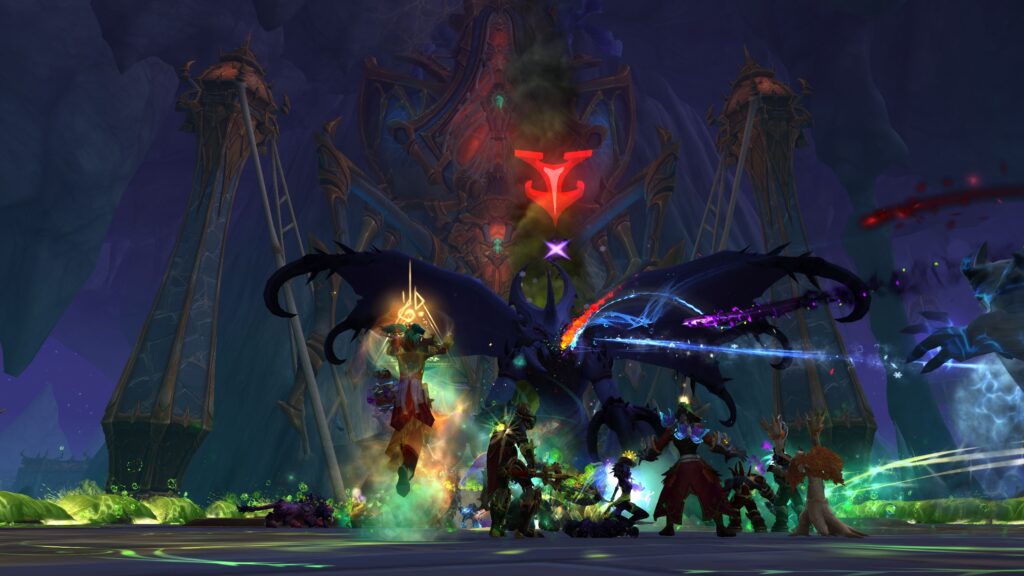
- Understand your role and responsibilities in the raid to perform effectively and contribute to the team’s success.
- Maintain clear and respectful communication, listen actively to instructions, and contribute positively to the team’s morale.
- Prepare for raids by optimizing gear, learning encounter mechanics, and stocking up on necessary consumables.
- Resolve conflicts calmly and constructively, accepting criticism for improvement and fostering a collaborative team environment.
- Familiarize yourself with loot distribution practices, ensuring fairness and transparency to avoid misunderstandings and disputes.
Understanding PUGs in WoW
Getting your head around PUGs, or ‘Pick Up Groups’, in WoW is crucial for a successful raiding experience. PUG dynamics can be tricky. You’re dealing with player diversity, a mix of seasoned veterans and greenhorns. Everyone has a role to play, and role expectations are critical. If you’re a tank, you’re on the frontline, soaking up damage. Healers, you’re in the rear, keeping everyone upright. DPS, you’re the damage dealers, taking down the enemy.
Team synergy is essential in PUGs. You’ve to work together, adapt your strategy to the encounter mechanics, and to each other’s playing style. It’s not just about individual performance, it’s about the group. Understanding everyone’s role and playing to your strengths will help in creating a harmonious raiding experience.
Performance evaluation, however, is inevitable. You’ll be judged on your contributions, your adaptability, and how you handle pressure. It’s not just about gear or stats, it’s about how you play. Strategy adaptation is key here, understanding the encounter mechanics and adapting your playstyle accordingly can make or break your raid. So, remember, in a PUG, it’s not just you, it’s a team game.
Raid Preparation: Essential Tips
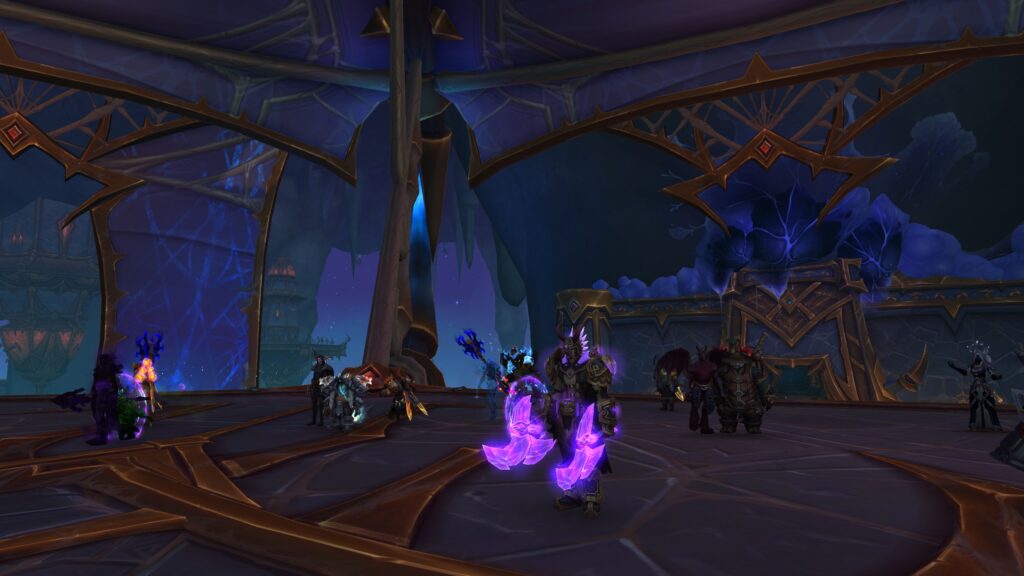
Before jumping into a raid, there’s a few essential prep steps you can’t overlook. Gear optimization tips are significant: make sure you’ve got the best kit for your class role. Understand the expectations of your class role, too. Are you a tank, healer, or DPS? Know what’s required and perform accordingly.
Raid composition strategies are important. Balance between the classes and roles is key to success. A well-rounded team can handle the many challenges a raid presents. Review encounter mechanics beforehand. Knowledge of boss abilities and fight tactics will boost your chances of survival.
Next, create a consumable preparation checklist. Stock up on potions, food, and flasks. They can be the difference between victory and defeat. Consider add on recommendations. Add ons can enhance your performance, providing useful insights and alerts during the raid.
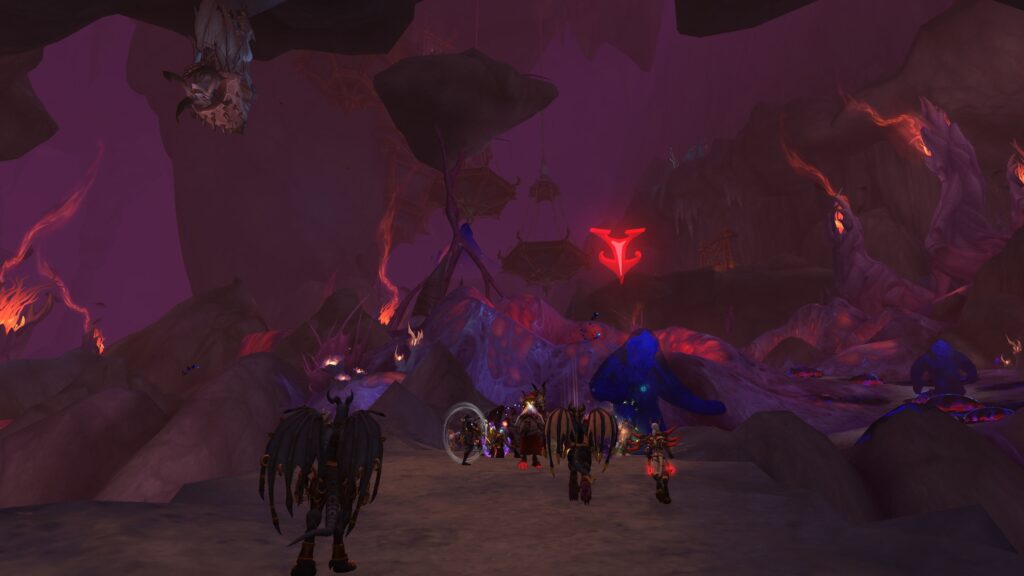
Communication Do’s and Don’ts
In the heat of a raid, your ability to communicate effectively can make or break your team’s success. Clear instructions are essential; don’t be vague or ambiguous. Say what you mean and make sure everyone understands their roles and responsibilities.
Active listening is just as important. Don’t just wait for your turn to speak; truly hear what your teammates are saying. This way, you’ll catch any non-verbal cues that can provide vital information during the raid.
Voice chat etiquette is key. Don’t interrupt or talk over others, and always provide respectful feedback. It’s easy to get heated during a raid, but remember, everyone’s here to have fun. Keep your criticisms constructive and never resort to personal attacks.
Positive reinforcement can go a long way. When a teammate does well, don’t hesitate to acknowledge it. This can boost morale and improve overall team performance.
Lastly, conflict resolution is important, but remember, this topic is vast and deserves a discussion of its own. For now, just remember to approach any disagreements with an open mind and a calm demeanor. Your goal is to resolve issues, not escalate them.
Dealing With Conflict in Raids
When you’re faced with conflict during a raid, it’s vital to handle it swiftly and effectively. Conflict resolution skills are key here. Start by addressing mistakes openly and honestly. If you’ve made an error, own it. If a teammate has, discuss it in a respectful manner. Remember, we’re all here to have fun.
Handling criticism is often a part of managing expectations. It can sting when someone points out your missteps, but it’s important to take it constructively. Use it to improve your gameplay and remember that everyone is learning, just like you.
Fostering teamwork is also important. Encourage each other, and work together toward your goal. This is a game, after all, not a battlefield.
Maintaining composure is another important aspect. Things can heat up in the heat of the moment, but it’s important to keep your cool. After all, a calm mind is more likely to find solutions than a heated one.
Setting boundaries is equally important. If a fellow player is crossing a line, it’s important to speak up. Everyone should feel comfortable and valued in the raid. Respect is key. Remember, clear and respectful communication is the best way to resolve conflicts.
Effective Loot Distribution Practices
Dealing with loot distribution during a raid can be a sticky situation, but it doesn’t have to be if you’re equipped with the right strategies. It’s paramount to have a fair distribution approach; you don’t want any hard feelings ruining your adventurous experience.
One method is the ‘loot council’, where leaders decide who gets what based on factors like performance, attendance, and need. This method requires a transparency policy to guarantee everyone is on board and understands the process. However, it can be time-consuming and spark disagreements.
Another system is ‘personal loot’, where the game automatically assigns loot to players. It’s fair and quick, but it may not always go to the player who needs it most.
Alternatively, the ‘priority system’ or ‘need before greed’ gives priority to those who need the loot the most. To avoid disputes, make certain everyone understands the rules before starting the raid.
Frequently Asked Questions
What Are Common Mistakes to Avoid When Raiding With PUGS for the First Time?
Avoid common mistakes like communication breakdowns, misunderstanding boss mechanics, neglecting gear optimization, confusion in role assignments, cooldown management issues, failing in encounter preparation, and having attitude problems when raiding with pugs for the first time.
How Does Wows In-Game Reporting System Work for Problematic PUG Members?
In WoW, you can report problematic pug members through an in-game system. You’re guided by feedback guidelines, evidence submission, ensuring player accountability. Harassment incidents result in reporting consequences, but there’re appeal procedures if wrongly accused.
Are There Specific Classes or Roles That Are More Desirable in PUG Raid Groups?
Sure, in pug raids, your healer preferences, tank availability, DPS diversity, class synergy, crowd control, utility roles, and damage mitigation all matter. Some classes or roles are often more sought after for their specific benefits.
What Additional Addons or Tools Can Enhance My Raiding Experience With Pugs?
To elevate your raid game, you’ll need addons like DBM for encounter guides, Recount for performance monitoring, and Discord for voice chat. Don’t forget group management tools and raid planning utilities for smoother runs.
How Can I Optimize My Characters Performance to Stand Out in PUG Raids?
To stand out in pug raids, you’ll need gear optimization strategies, talent builds analysis, and rotation efficiency tips. Don’t forget a consumable usage guide, cooldown management techniques, encounter specific preparation, and tracking damage output metrics.
Conclusion
So, you’re now armed with an etiquette guide that could make even a murloc a model raider. Remember, your chatterbox nature is great, just not when instructions are being given. Your fiery spirit? Awesome, unless it’s torching teammates. And as for loot distribution, think of yourself as a just and fair king. Follow these tips, and you’ll transform PUGs from a hodgepodge of chaos into a well-oiled raid machine. Now, get out there and conquer Azeroth, champion!
Home